

The green roof buildings incorporates the vegetation layer on building roofs to form a living system to make cities more sustainable. These constructions, also known as the living roofs, are covered with plants cultivated through waterproof membranes and drainage water layers as well as soil.
Key Benefits
Green roofs mitigate urban heat islands through insulation of buildings and also through minimisation of energy consumption on cooling buildings, which in most cases cuts down on the heating and cooling expenses by about 10-30 per cent. They enhance the quality of the air by sequestration of carbon and filtration of pollutants, besides increasing the life span of roofs by blocking UV radiation from the material.
One of the key benefits is storm water management, where green roofs absorb up to 98 per cent of rainwater to avoid flooding and alleviate the pressure on the drainage system. This is in line with the water conservation program, whereby the water is released gradually through evapotranspiration and facilitates rainwater harvesting.
Biodiversity increases because these roofs create homes for pollinators and native plants in urban areas.
Top Green Roof Buildings Worldwide
- In the California Academy of Sciences, San Francisco, USA, the 2.5-acre living roof has 1.7 million native plants in biodegradable trays, which improves the biodiversity of local species such as butterflies. It is insulated to reduce interior temperatures by 10 degrees Fahrenheit, retains 98 per cent of storm water and was certified twice with LEED Platinum.

- The Vertical Forest of Bosco Verticale in Milan, Italy, is a tower project that has excessively 20,000 trees and shrubs covering towers, absorbing 30 tons of CO2 annually, and producing 19 tons of oxygen to improve the quality of air.

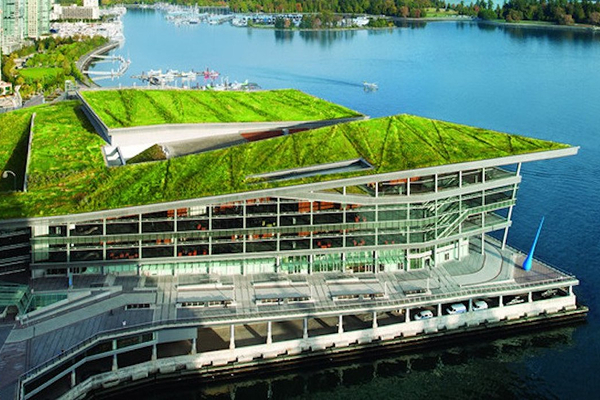
- Vancouver Convention Centre in Canada has a 400000 indigenous plants green roof on a six-acre roof, which benefits the birds and 400000 pollinators, as well as saves the building 25 per cent of heating and cooling costs; it doubles as public space.
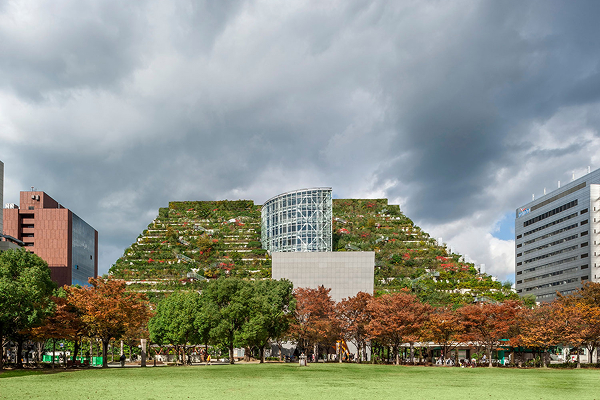
- Japan AcroS Fukuoka Prefectural Hall is a terraced green mountain that reduces energy consumption by 20-30 per cent, purifies pollutants and serves as a park within the city where the community can access.
- In Sydney, Australia, there is one Central Park which involves the usage of recycled water in planting; the park cools the inside by 4degC with plants.

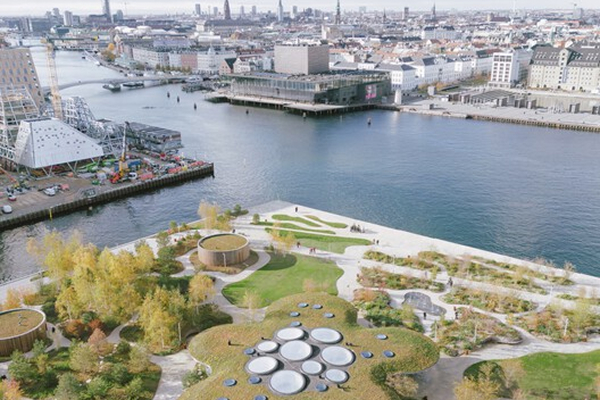
- In Denmark, Copenhagen Opera House reduces 15-20% of energy requirements and operates its green roof to contain rainwater.
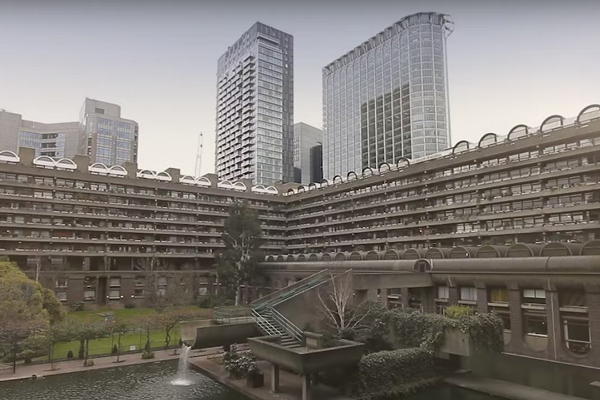
- In London, UK, the Barbican Estate has been using green roofs to manage storm water runoffs and cool buildings in the thick urban environments.
All these buildings attest to the transformative nature of green roof buildings. They minimise energy consumption, ensure that storm water is used sustainably, increase urban biodiversity and also improve air quality, and they all do this by producing beautiful and livable environments. With the growing environmental issues in urban centres, green roofs are now an indispensable element of urban design resilience and sustainability, the world over. They provide an example of how to incorporate nature into the architecture to pursue the objectives of climate and enhance the quality of urban life.
This is a good trend in line with the current trends of sustainability in the world and even in third world countries by ensuring environmentally friendly construction activities that save resources and conserve the ecosystem.
This introduction presents the best green roof buildings that are inspirational in sustainable buildings and green infrastructure in urban areas.