

India is a pioneer in sustainable architecture, with energy efficient buildings minimising the use of energy with innovative designs such as solar power, passive cooling, and rainwater harvesting. Those buildings usually are LEED Platinum or GRIHA 5-star buildings, establishing standards of net-zero energy use.
1. New Delhi, Indira Paryavaran Bhawan.

The first Net Zero Energy Building in India produces energy equivalent to its consumption using 100 kW rooftop solar panels and using natural cooling earth-air tunnels. Fly ash bricks and rainwater harvesting increase environmentally friendly operations, and the double-glazed windows decrease the heat gain.
2.Green Business Centre CII-Sohrabji, Godrej, Hyderabad.

The passive cooling, recycled fly ash, and solar PV panels help this LEED Platinum facility to save 75% of energy. The green roof contains indigenous vegetation that is used to insulate the building, which is supplemented by rainwater collection and greywater recycling.
3. ITC Green Centre, Gurgaon

It uses low-energy HVAC systems and has double-glazed windows and was designed to use 40% less energy than traditional buildings. Its sustainability is also enhanced by efficient waste management and low-flow appliances.
4. Infosys Pocharam Campus, Hyderabad.
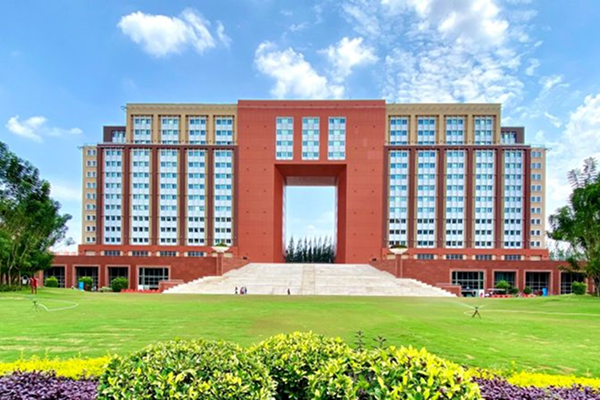
Radiant cooling reduces the energy associated with air conditioning by 30%, solar plants are able to satisfy 40% of the requirements, and daylighting saves on lighting. Its LEED Platinum is encouraged by recycling wastewater and indigenous vegetation.
5. Infinity Benchmark, Kolkata
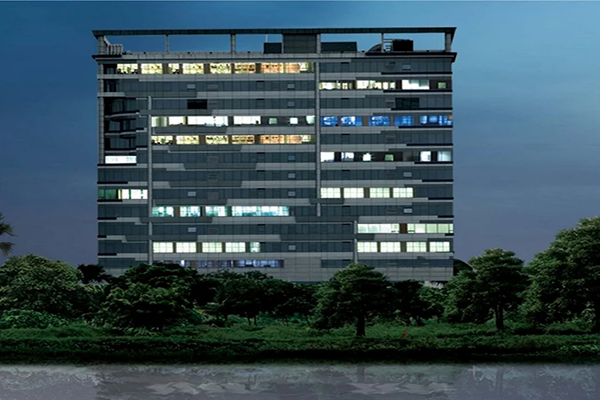
The 20-story building is the LEED Platinum tower that employs CO2 sensors, smart humidifiers, and insulated roofs to achieve the best air quality and efficiency. Green practices are in line with electric vehicle charging and wastewater recycling.
6. Cisco Building B-16, Bangalore
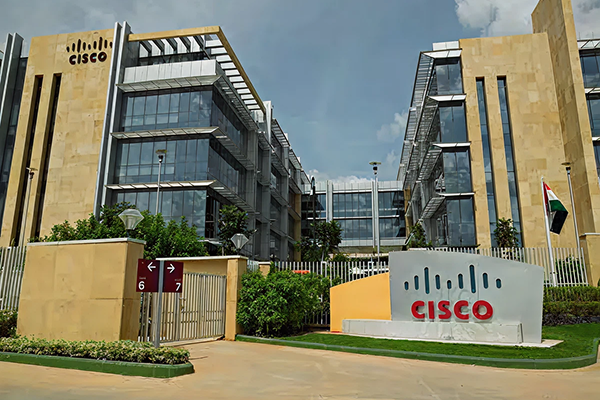
With a LEED Platinum score of 96/110, it generates more than 710,000 kWh of green electricity a year and recycles 100 per cent of wastewater. The glazing is also high-performance and can be customised to increase occupant comfort.
7. CEPT University, Ahmedabad
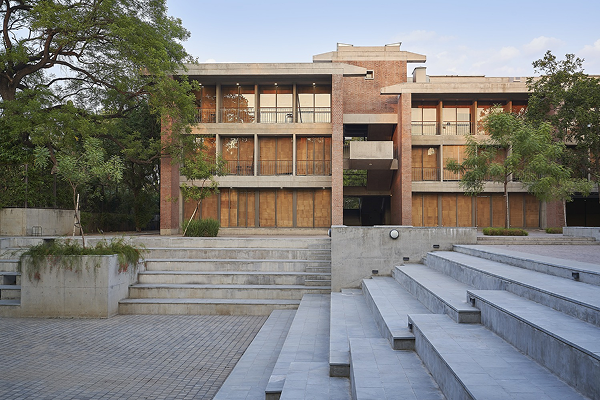
Locally made, climate-sensitive design focuses on natural lighting and shading to use as little energy as possible. It is an example of passive approaches to learning architecture.
8. Centre for Science and Environment, New Delhi.

This will be an office model that uses recycled materials, solar power, and efficient systems to reduce operational costs. It is also designed in a manner that affects greater sustainable urban planning.
9. Gurgaon, Transport Corporation of India Ltd.
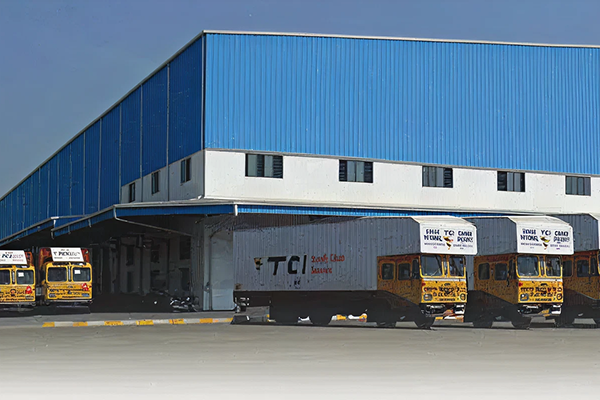
It is concentrated on composite efficiency and utilises low-energy properties and ecological materials. The building emphasises the use of green standards by companies.